admin
admin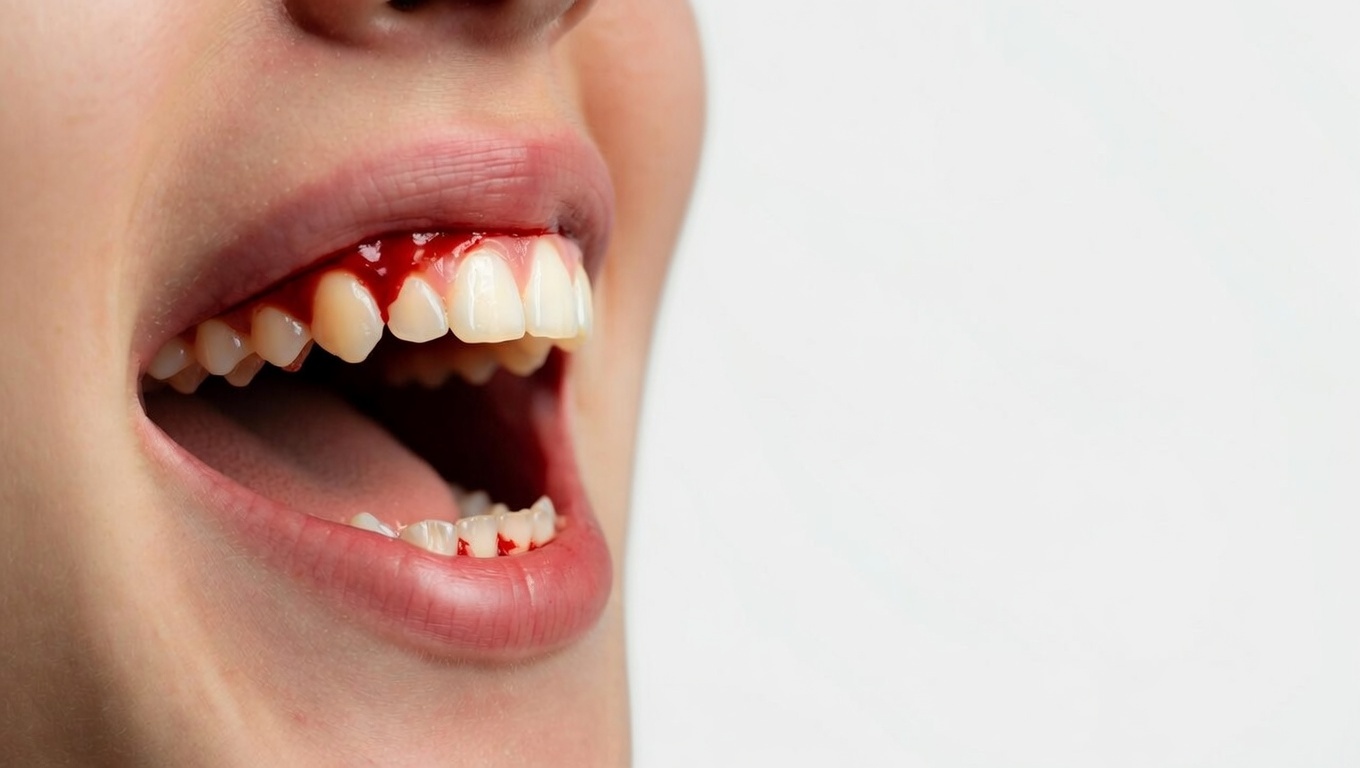
Yes, you can reverse your gum disease, that’s if you catch it early, and there’s a simple secret weapon you can use to do this.
Gum disease (periodontal disease) has two main stages.
Early Stage: Gingivitis
This is inflammation of the gums caused by plaque buildup. Symptoms include red, swollen, or bleeding gums (especially when brushing or flossing), but no loss of bone or supporting tissue yet. Gingivitis can usually be fully reversed with consistent effort. Reliable sources like the Mayo Clinic, CDC, American Dental Association (ADA), and National Institute of Dental and Craniofacial Research (NIDCR) confirm this.
Key steps to preventing gingivitis:
- Brush twice a day for 2 minutes with fluoride toothpaste (use a soft-bristled brush and gentle technique to avoid irritating gums).
- Floss (or use interdental brushes/water flossers) at least once daily to remove plaque between teeth.
- Use an antiseptic mouthwash (like one with chlorhexidine, if recommended by your dentist).
- Get professional dental cleanings (every 6 months or more often if needed) to remove tartar that you can’t brush away.
- Improve diet: Reduce sugary/acidic foods/drinks that feed bacteria; eat nutrient-rich foods (e.g., vitamin C from fruits/veggies supports gum healing).
- Quit smoking/tobacco use (it severely impairs healing and worsens gum disease).
- Manage related conditions like diabetes (poorly controlled blood sugar accelerates gum issues).
If you fail to do the above steps, leaving a layer of bacteria on your teeth for longer than 12 hours at a time, you can end up with plaque formation that are no longer removed by simply brushing or flossing. At this point you can add something else to your daily routine that can slowly remove the plaque without paying your dentist a visit.
Your Secret Weapon – Xylitol
Xylitol plays a supportive role in managing and helping to prevent or improve gingivitis, primarily through its effects on oral bacteria and plaque. It’s a natural sugar alcohol (polyol) used as a sweetener in many sugar-free gums, mints, lozenges, toothpastes, and other products.
How Xylitol Helps with Gum Disease
Xylitol doesn’t directly “reverse” advanced gum disease like periodontitis (where bone and tissue loss has occurred), but it contributes meaningfully in these ways:
- Reduces plaque accumulation — Multiple studies, including microbiome investigations and systematic reviews, show that chewing xylitol gum significantly decreases dental plaque weight and buildup (e.g., one study reported a 19-20% reduction in plaque after short-term use compared to controls). Less plaque means less bacterial irritants along the gumline, which is the primary trigger for gingivitis.
- Lowers harmful bacteria — It inhibits growth and reduces the relative abundance of key periodontopathic (gum-disease-causing) bacteria, such as Porphyromonas gingivalis (a major player in periodontitis), as well as some cariogenic bacteria. Systematic reviews support an inhibitory effect on P. gingivalis growth and related inflammatory cytokines, though results vary by concentration and study design.
- Promotes a healthier oral environment — Xylitol stimulates saliva flow (especially helpful for dry mouth), which helps neutralize acids, wash away debris, and deliver protective minerals. It also has anti-inflammatory potential in the oral cavity.
- Best evidence for early stages — For gingivitis (reversible inflammation with no bone loss), xylitol can aid reversal by reducing plaque and bacteria, allowing gums to heal when combined with brushing, flossing, and professional care. Some sources note it helps reduce mild/early gingivitis symptoms like bleeding gums.
Major organizations like the American Dental Association (ADA) endorse sugar-free gums (including those with xylitol) for oral health benefits, such as reducing plaque acids and supporting prevention. They award their Seal to many xylitol-sweetened products. While not a frontline treatment for gum disease, it’s recommended as an adjunct.
Practical Recommendations
- Best form and dosage — Chewing gum is the most studied and effective delivery method (due to prolonged contact and mechanical cleaning from chewing). Aim for 6-10 grams of xylitol per day, split across 3-5 exposures (e.g., chew 1-2 pieces of 100% xylitol gum for 10-20 minutes after meals/snacks). Look for products listing xylitol as the primary sweetener (avoid those mixed heavily with sorbitol or other polyols that may dilute benefits).
- Other options — Xylitol mints, lozenges (e.g., time-released like adhering discs for dry mouth), or toothpastes can help, especially if chewing isn’t feasible.
- Limitations and caveats — Benefits are adjunctive — not a substitute for core habits (brushing twice daily with fluoride toothpaste, daily flossing/interdental cleaning, regular dental visits). Evidence is stronger for caries prevention than for advanced gum disease. Some people experience mild digestive upset if overconsumed (gas/bloating).
If you’re dealing with gum issues, xylitol gum is a low-risk, evidence-backed addition to your routine that many find helpful for plaque control and fresher breath.
Advanced Stage: Periodontitis
Once gingivitis progresses untreated, it becomes periodontitis. This involves deeper infection, gum pockets, bone loss around teeth, receding gums, loose teeth, and potential tooth loss. At this point, xylitol cannot reverse the damage.
Periodontitis cannot be fully reversed in the sense of completely regrowing lost bone and tissue to the original state (per CDC, NIDCR, and most periodontal authorities). However, it can often be stopped, stabilized, and significantly improved — sometimes with partial regeneration of tissue/bone — preventing further damage and saving teeth. At this time your dentist or periodontist would have to be consulted for treatment.
Treatment typically includes:
- Scaling and root planing (“deep cleaning”) — removes plaque/tartar below the gumline and smooths roots to help gums reattach.
- Antibiotics (topical or oral) in some cases.
- Advanced options like laser therapy, surgery (e.g., flap surgery, bone grafts, guided tissue regeneration), or other regenerative procedures if pockets are deep.
- Ongoing maintenance cleanings (every 3-4 months).
- Strict home care as above.
Recent research (e.g., 2024-2025 studies) explores promising approaches like complement inhibitors (e.g., targeting C3 protein), stem cell modulation, or resolving to potentially promote more regeneration. These are not yet standard clinical treatments, but we will continue to follow their developments.