admin
admin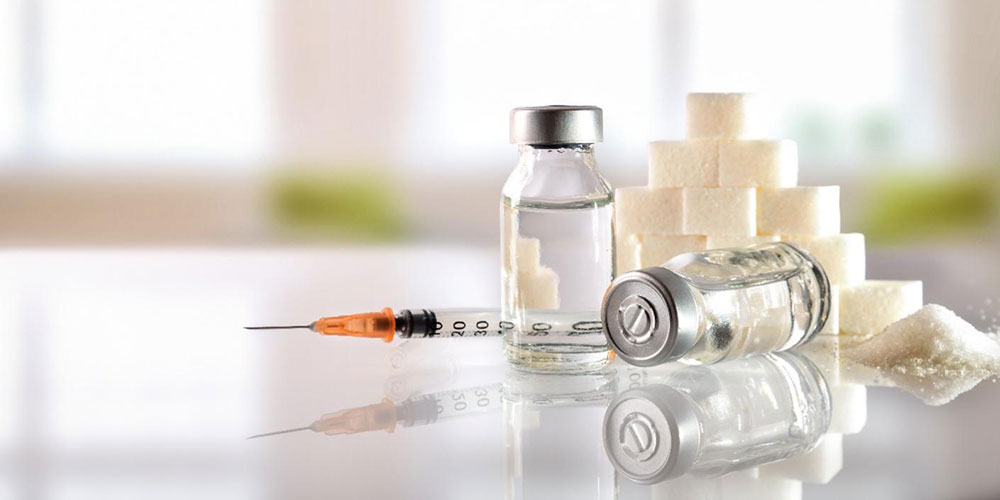
While Type 1 Diabetes (an autoimmune condition) currently has no established way to reverse, Type 2 Diabetes can often be reversed and pushed into remission, returning blood sugar levels to non-diabetic ranges (A1C <6.5%, or fasting glucose <100 mg/dL). Remission is most achievable early after diagnosis (within ~6–10 years), before beta-cell function has fully declined.
How Do I Know My Diabetes Can Be Reversed?
If your pancreas isn’t burnt out from working too hard fighting your insulin resistance and is still making insulin, then your Diabetes can be reversed. Ask your doctor to check your blood C-Peptide level. If your C-Peptide level is normal, or high, then your pancreas is still healthy and you can reverse your Diabetes with the protocol below!
I place a higher urgency if your C-peptide level is high. That’s because your pancreas is being overworked right now, pumping out as much insulin as it can to try to bring our high glucose levels down. That’s it’s job. But like any overstrained worker, it’s being overworked and eventually will wear itself out and shut down faster. Once it dies, your Diabetes is not reversible and you will have to inject yourself with insulin every day to stay alive. Diabetes remission rates plummet if you’ve been diabetic for more than 5 years and have not done anything to help your pancreas out.
How You Can Reverse Your Diabetes
Simply put: You must lose a significant amount of weight! You’d be surprise how many times a new patient step into my office who have been Diabetic for decades but never knew they need to lose weight. I ask them “How do you treat your Diabetes?” and the answer is mostly “Take my medications.”
Taking medications may bring your blood glucose levels down temporarily, but it will never make you less diabetic. In fact, injecting yourself with insulin converts your high glucose into fat, hence making you more FAT, and more Diabetic!
No. In order to reverse your Type 2 Diabetes, you must lose weight! Aim for 10–15%+ body weight loss, and then some more. This will remove excess FAT from the liver and pancreas. This Visceral Fat is what caused your insulin resistance, resulting in your diabetes!
Losing this Visceral Fat restores your insulin sensitivity and beta-cell function. So how can you lose this FAT? Recent 2025 meta-analyses confirm non-surgical approaches (diet + activity + sometimes meds) achieve remission in up to 60% of participants, depending on duration and intensity.
The strongest evidence comes from large trials, meta-analyses, and 2025–2026 updates (ADA Standards of Care, systematic reviews in Diabetes Care).
Changing Your Diet to Lose Weight
Here are 3 main ways to change your diet to lose weight and reverse your Diabetes. Pick the one that works the best for you. Everyone is different.
- Calorie-Counting Diet – Go on a very low-calorie diet. Aim for 800-1,200 kcal/day for 3-5 months. You may have to wean yourself down to this range slowly from where you are at to do it safely, especially if you’re on diabetic medications to avoid hypoglycemia. Be sure to have your doctor check your A1C levels and wean you off medications as necessary. You can use a calorie counting app to make this easier or choose a commercial meal replacement plan that does the thinking for you. DiRECT trial showed ~46% remission at 1 year, sustained in many at 2–5 years with Very Low-Calorie Diets.
- Low Carbohydrate Diet– You can also choose a low-carbohydrate or ketogenic diet. There are many to choose from, be sure to read up on each one and choose one that you like. Low Carbohydrate Diets are Supported by ADA/EASD for weight loss and remission.
- Fasting Diet – I prefer Intermittent Fasting to start out, where you basically skip 1 meal (either breakfast or dinner), and eat the other 2 moderate sized meals 8 hours apart. This will allow you to fast for 16 hours, which is more than the typical 8-10 hours fast we normally do overnight. This allows your body to burn off all the calories from the last meal, run out of energy, then forced to burn your FAT stores for energy until the next meal.
Fasted Cardio
First you change your diet to stop gaining weight. Then you’ll have to also increase your activities to burn off the extra FAT store you’ve accumulated over the years. My preferred exercise to reverse Diabetes is Fasted Cardio, and works very well with an Intermittent Fasting Diet.
The reason is because when you wake up fasted, your body is already burning FAT at then end of the night to release glucose to feed your brain. If you then start exercising before you eat, you’re cranking up the FAT burning mechanism that is already in play and place it into overdrive to burn FAT even faster! The first FAT to burn is actually your Visceral Fat, and that’s exactly THE FAT that is causing your Diabetes!
You do it in the morning because that’s when your blood sugar is at it’s lowest. When you exercise, you drop your blood glucose level. When this hits 80 mg/dL is when your FAT burning mechanism is being cranked up because it needs to prevent you from going hypoglycemic at 60 mg/dL. After you eat breakfast, your blood glucose is likely above 120 mg/dL or more, depending on how much carbs you at, and will likely be up there through lunch and the rest of the afternoon. During afternoon exercising, your body will prefer to burn your carbs, fat, and protein from your breakfast and lunch first and bring your blood glucose all the way down to 80 mg/dL before you start burning your Visceral FAT that you wanted to burn. This takes 45 – 60 minutes to get to, and most of us are done by then. We didn’t even get to the FAT! Then we go home and load up with dinner again, sending us far above the FAT burning zone once again!
So the morning is your sweet spot to burn that visceral fat to reverse your diabetes. Don’t miss this Window, put it into your schedule every morning to wake up and do cardio for at least 30 minutes before you do anything else, and especially before you eat! Drinking water, tea, or black coffee is okay as these do not have any calories to distract your body from burning fat!
Some Diabetic Medications Can Help You Lose Weight
This is the newest development in weight loss for diabetics. There are 2 classes of diabetic medications that can help you lose weight and regain your insulin sensitivity. Consider these if you cannot keep to your diet because your appetite is too large for you to control.
SGLT2 Inhibitors: These are the Jardiance, Farxiga, Invokana. They make you urinate out the glucose, hence you’re shedding calories through the urine. I do see a few pounds of weight loss every time I see my patients on follow up on these, but not a lot of weight loss.
GLP-1 Receptor Agonists: These are the Ozempic (semaglutide), and Mounjaro (tirzepatide). They can cause up to 20%+ weight loss, improve insulin sensitivity, and allow many to achieve remission. These work great to suppress your appetite. Work with your doctor to titrate dosing as needed. Go slow to avoid complications.
And Last Resort is Bariatric Surgery
Yes, this one is still in play and has been recommended by international consensus since 2016. You can consider this only after your diet, exercise, and medications fail to help you lose weight. Results are sustained long-term due to major weight loss and hormonal changes. Procedures like gastric bypass or sleeve gastrectomy lead to remission in 60–80% of eligible patients (especially with BMI >35).
You Must Maintain the Weight Loss to Keep Your Diabetes In Remission
Once you have lost the weight and pushed your diabetes into remission, you must continue to keep it off or your diabetes will come back. That’s why we call it a “remission” and not a cure. You do this by adopting new lifestyle changes as you’re losing the weight. If you’ve changed your lifestyle as you reached your weight goal, then you won’t be one of the 60% who gain weight back after going off your medications.
These are the lifestyle changes you need to develop:
- Permanently adopt a new diet: This should be plant-based, low-carb, or Mediterranean patterns emphasizing whole foods, fiber, and reduced processed carbs/sugars.
- Permanently adopt an exercising routine: Schedule in 150+ minutes/week of moderate activity + strength training to build muscle and avoid building up fat stores.
- Get Enough Sleep: Aim for 8 hours a night to allow your body to restore itself. Sleeping for long straight hours allow your body to fast and burn off all the calories from your last meal, then dip into your fat stores and burn fat for the later portion of the night, allowing your diabetes to stay in remission.
- Avoid Stress: Avoid things/people who stress you out and learn how to destress yourself when it does happen. Stress increases your cortisol level, which increases your blood sugar and push you into fat storing mode, which puts your diabetes at risk for coming back.
Hope that helps. I’ve given you most of the secrets I have taught my patients in my primary care practice and weight loss clinic. Put it to good use and I hope you can reverse your Diabetes as well. Once you’re no longer diabetic, you’ve reduced your risk for heart attacks, strokes, kidney failure, dementia, and early death. Now you can move on to activities that are anti-aging, as well as activities that can increase your longevity.
Danh H. Nguyen MD